A New Look at UK Investment Opportunities as Inflation Slows and Rates Drop
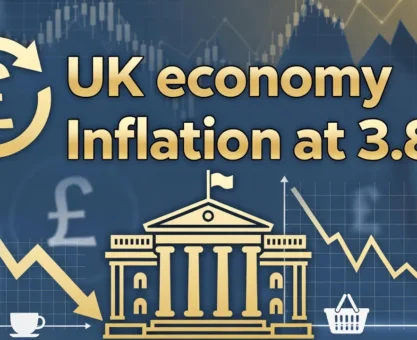
I was complaining to a friend last week about how the price of cheddar went up again. Then it hit me: maybe things are finally settling down. Because inflation is slowing down and rates are going down, it’s more important than ever to take a new look at UK investment opportunities. This might be your time if you’ve been sitting on the sidelines.
What Does “With Inflation Cooling and Rates Easing: A Fresh Look at UK Investment Opportunities” Mean?
This topic serves as a financial forecast. Inflation has been like nonstop rain for the last few years: annoying, unpredictable, and always worse when you need to go outside. But what about now? We can see blue skies starting to show through.
The whole investment scene changes when inflation slows down and interest rates start to go down. It has an effect on:
- Rates on mortgages
- Yields on bonds
- Prices in stocks
- How well does the property do?
- Returns on cash savings
- Trust in consumers
In this environment, investors who are willing to change their strategy can often find new opportunities.
If you’ve read articles like “Why UK Savers Are Missing Out”, or “Record Demand for UK Inflation-Linked Gilts”, you already know how quickly markets can change when macro conditions change.
What does “With Inflation Cooling and Rates Easing: A Fresh Look at UK Investment Opportunities” mean?
Your money follows the economy, whether you like it or not.
Lower interest rates and inflation can:
1. Make the stock market do better.
Companies are happier when borrowing costs go down, which raises their value. Industries that often benefit are consumer goods, technology, industry, and real estate.
(See also: Quiet UK Industrial Rebound)
2. Bring the real estate market back to life.
Lower mortgage rates make buyers more likely to come back. More projects get funding from developers. Rental yields can change.
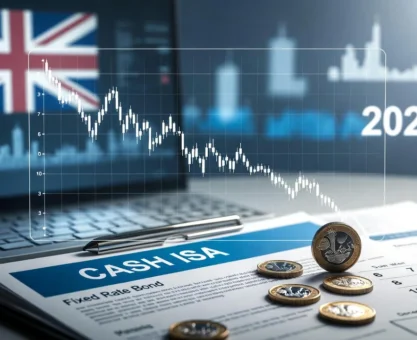
3. Make cash savings less appealing.
Let’s be honest: 6% savings accounts were fun while they lasted. But that party is over now that rates are going down. People who don’t do anything with their savings could miss out again, like many did during the inflation spike:
Why UK Savers Are Losing Money: Inflation vs. Savings Rates
4. Get businesses to invest more.
Companies take out more loans, grow, and hire more people, all of which make the economy stronger.
5. Make it easier for people to spend money.
The economy reacts when everyday Brits feel less stressed. Yes, it’s a big deal.
How to Use “With Inflation Cooling and Rates Easing: A Fresh Look at UK Investment Opportunities” (A Step-by-Step Guide)
This is a simple guide to help you get around in this new world without feeling like you need to know a lot about economics.
Step 1: Look at your cash situation again.
Think about this: Is my money working harder than I am?
If most of your savings are just sitting there, like the £610 billion mentioned here: 👉 The UK Investment Gap: £610 Billion Sitting Idle—it might be time to move some of it to assets that could grow.
Step 2: Think about moving toward stocks.
In the past, when inflation cooled down:
- FTSE 250 does better than FTSE 100.
- Small-cap growth stocks bounce back faster.
- Stocks in the industrial and manufacturing sectors keep going up.
Check out: 👉 UK Manufacturing Nears Stabilization
In the past, industrial stocks have bounced back 8–12% on average within six months of rate cuts during easing cycles. Not sure, but not bad, right?
Step 3: Look at Bonds and Gilts again.
When interest rates go down, the value of existing gilts goes up (prices go up). Long-dated gilts are the ones that benefit the most. During times of easing, conservative investors often go back to these.
Step 4: Look at the property market, but do it carefully.
Don’t expect the boom of 2021 to happen again, but the real estate market is no longer frozen.
Less expensive rates make things more affordable → more people buy → demand goes up → prices stay the same.
Also see:
UK home insurance premiums go down by 13%
Why Property Insurance Premiums Are Going to Skyrocket
Step 5: Be careful of scams when the market changes.
Scammers love when things are unclear.
Helpful guides for protection:
🔗 How to Spot Fake Delivery Texts & QR Scams
🔗 Protection from Crypto Scams
🔗 Warning about the new SMS Blaster Tool
Here’s what “With Inflation Cooling and Rates Easing: A Fresh Look at UK Investment Opportunities” can offer you.
- More likely to get higher stock returns
- More stable markets over time
- Better terms for borrowing and mortgages
- Better feelings among consumers
- For long-term planning, a better view of the economy
For companies?
Check out: 👉 Why UK Business Confidence Hit a Five-Quarter Low (and What Will Happen Next)
Things to Keep in Mind / Limitations
- Markets often expect rate cuts to happen early, which means that some gains may already be built into the price.
- The pound can get weaker when rates go down.
- In London, property recovery may take longer than in other areas.
- Things won’t necessarily get cheaper just because inflation is going down.
- Global instability, like the US elections and trade tensions in the EU, can still affect UK markets.
- HMRC is also becoming stricter in enforcing taxes, as evidenced by the issuance of HMRC Crypto Tax Nudge Letters.
Questions and Answers About “With Inflation Cooling and Rates Easing: A Fresh Look at UK Investment Opportunities”
1. Is the present a good time to buy UK stocks?
In the past, easing cycles have helped stocks grow, especially mid-caps.
2. Will the rates on savings go down soon?
Yes, that’s usually what happens when rates go down.
3. Should I buy a house before rates go down?
Some buyers do, because once cuts start, prices and demand can go up.
4. Will bond prices probably go up?
They do this a lot when interest rates go down.
5. Which areas gain the most?
Industrials, consumer discretionary, tech, and property usually react the fastest.
Final Thoughts
The UK investment scene starts to feel less like a storm and more like spring when inflation slows down and interest rates start to go down. Whether you’re a cautious saver or a bold investor, this change unlocks previously closed doors. The most important thing is to not wait until later to figure out what you should have done.
Links to other sites (reliable sources)
- Bank of England Monetary Policy: https://www.bankofengland.co.uk/monetary-policy
- ONS Inflation Data: https://www.ons.gov.uk/economy/inflationandpriceindices
- FCA Consumer Protection: https://www.fca.org.uk
Call to Action (CTA)
UKMoneyDaily.com is a great place to get new, quick, and reliable information about the UK economy, market trends, and money news.