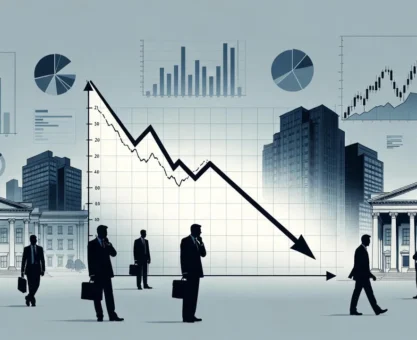
What the PMI data from today means for businesses and consumers after the UK construction industry and jobs fell apart
I still remember talking to a builder friend over a cup of lukewarm tea on a Tuesday when it was raining. He sighed and said that he had more cancellations in one week than he usually gets in three months. I thought he was making things up back then. Now that I've seen the most recent PMI data and the news about the UK construction collapse and job losses, I wish he had been. This article breaks down the UK construction collapse and jobs slump, what today's PMI data means for businesses and consumers, why it matters, and how it quietly affects your money, your job prospects, and even the roof over your head.
What does today's PMI data mean for businesses and consumers in the UK?
The phrase refers to the growing problems in the country's construction industry, such as fewer orders, slower projects, and, of course, job losses. The PMI (Purchasing Managers' Index) is like a thermometer for the economy. If it's below 50, it means the economy is getting smaller. When construction PMI drops sharply, it's not just a technical number. It means that housing projects are on hold, investors are being careful, and companies are cutting costs before things get worse.
But why should the average person care? Because construction is a key part of the economy. When it falters, wage growth, how people save, how they feel about investing, decisions about property insurance, and even the risk of scams all change.
If you've read about things like the UK's savings gap or small businesses getting more and more financially stressed, you know the pattern: one weak sector often means trouble in another. Internal resources likehttps://ukmoneydaily.com/the-uk-investment-gap-610-billion-sitting-idle-explained/https://ukmoneydaily.com/why-uk-smes-face-record-financial-distress-before-autumn-budget/Describe the connections between these areas.
Why is it important to know what today's PMI data means for businesses and consumers?
A downturn in construction doesn't stay in its lane. It seeps into government planning, household budgets, the real estate market, and even scams that target consumers. Yes, scammers love it when things aren't clear, and downturns make things even more confusing for them.
When building slows down:
- Homeowners put off making changes to their homes.
- Buyers are hesitant, which lowers demand and slows down the real estate market.
- Workers may have to work fewer hours or lose their jobs.
- Companies are cutting costs more because their profit margins are getting smaller.
- People are more likely to fall for fake "grant support" schemes, "urgent contractor payments," and fake building repair services.
PMI numbers that are going down can seem abstract, so think of them as a weather report. You don't wait until you're soaked to find shelter when experts say a storm is coming.
How to Use UK Construction Collapse and Jobs Slump: What Today's PMI Data Means for Businesses and Consumers—A Step-by-Step Guide for Households, Workers, and Businesses
The most important thing is to see PMI data as an early warning sign.
1. For people who buy things and own homes
When the construction industry isn't doing well, it can make things like insurance premiums and repair costs go up. Take a look at these:
- Rising home insurance costs: https://ukmoneydaily.com/uk-homeowners-alert-why-property-insurance-premiums-are-set-to-soar-in-2025/
- Lower premiums, but risks that change: https://ukmoneydaily.com/uk-home-insurance-premiums-drop-13-what-homeowners-should-do/
What to do now:
- Take a close look at the quotes from contractors. Big discounts can be a sign of trouble.
- Don't make any payments in advance unless you're working with a company that has been around for a long time.
- Put all work agreements in writing.
- Look at what needs to be fixed and see if your insurance covers it.
Imagine this: you're hiring someone to fix your roof, and they say, "I'll give you a special rate if you pay today." In a market that isn't sure, that usually means "you might never see me again."
2. For people who work in construction and trades
A slump doesn't always mean bad things will happen. Use PMI trends to predict dry spells.
Here are some actions you can take:
- Get better at niche areas that are in high demand.
- Apply early for stable jobs with big companies.
- While you can, save money for emergencies.
- Keep an eye on changes in demand in different areas (some areas do well while others do poorly).
A lot of workers don't give lead time enough thought. When PMI goes down for two months in a row, companies usually cut jobs within three months.
3. For Small Businesses
PMI data can help you predict cash flow, access to credit, and how reliable your clients are. If demand goes down, look over:
- Terms of payment
- Contracts with suppliers
- How many staff members there are
- Costs of materials and energy
Reading that will help: https://ukmoneydaily.com/why-uk-business-confidence-has-hit-a-five-quarter-low-what-it-means-for-your-money/ https://ukmoneydaily.com/why-uk-banks-are-under-pressure-from-private-credit/
If a building company doesn't pay PMI, it's like a driver not paying attention to a flashing fuel gauge. The effects come sooner than expected.
4. For Investors
Sector rotation is often caused by downturns in construction. Investors are moving toward:
- Gilts that are linked to inflation
- Goods for capital
- More sectors that are defensive
Look into other points of view: https://ukmoneydaily.com/quiet-uk-industrial-rebound-why-capital-goods-stocks-could-surprise-investors/ https://ukmoneydaily.com/record-demand-for-uk-inflation-linked-gilts-for-conservative-investors/
Real-Life Situations
Scenario 1: The Surprise Contractor Scam
A homeowner in the UK hires a "discount builder" who shows up during a downturn and offers quick repairs. They pay in advance. What happened? Not working. No return. Scammers do well when businesses are in trouble and people are worried.
Scenario 2: The Jobseeker's Problem
A construction worker has fewer hours to work. He waits instead of looking for retraining right away. When layoffs happen, there are twice as many people looking for work.
Scenario 3: The Investor Who Is Afraid
A careful saver who already has too much cash reads PMI headlines and takes even more money out of investments, not realizing that the downturn may already be priced in.
Things to read that are helpful: https://ukmoneydaily.com/why-uk-savers-are-sitting-on-record-cash-what-it-means/ https://ukmoneydaily.com/why-uk-savers-are-missing-out-make-your-money-work-harder/
What today's PMI data means for businesses and consumers: Why it's good to know about the UK construction collapse and jobs slump
- Helps families stay away from contractor fraud.
- Allows businesses to plan for changes in demand.
- Gives job seekers an early warning.
- Makes your financial planning stronger.
- Helps investors understand how volatile sectors are.
- Encourages smart choices about spending, saving, and insurance.
Things to Keep in Mind / Limitations
- PMI is a picture, not a perfect crystal ball.
- Differences between regions can lead to wrong national assumptions.
- Delays in construction data can hide problems that are happening right now.
- It won't tell you which companies will fail; it will only tell you that the risk is growing.
- Headlines can make trends sound bigger than they are to get people to click.
What today's PMI data means for businesses and consumers: FAQs about the UK construction collapse and jobs slump
What is PMI, exactly?
Every month, it shows whether a sector is growing or shrinking. Less than 50 means less activity.
Will house prices go down because of the construction slump?
Not always. Even if builders slow down, a lack of supply can still drive up prices.
Should workers be worried about getting laid off?
It's worth getting ready. Job cuts are often linked to a long-term drop in the PMI, especially in small businesses.
Do scams happen more often when the economy is bad?
Of course. When things are uncertain, fraud goes up. Check out https://ukmoneydaily.com/uk-savings-at-risk-protect-yourself-from-crypto-scams/.https://ukmoneydaily.com/how-to-spot-fake-delivery-texts-qr-code-scams-uk/https://ukmoneydaily.com/uk-households-warned-how-a-new-sms-blaster-tool-is-fueling-text-scams-right-now/
Final Thoughts
The PMI data from today shows that the UK construction industry is in trouble and that jobs are hard to find. It's a small change that affects everything from wages and home repairs to investment decisions and the risk of scams. Paying attention to PMI gives you an edge over others, whether you're a homeowner thinking about remodeling, a worker whose hours are getting shorter, or a business owner trying to figure out what to do next. The sooner you act, the better off you'll be, both financially and in terms of safety.
You can always start at the home page, https://ukmoneydaily.com/, if you want to get regular updates like this.